PCR and recycled-content options
Recycled materials can be evaluated for selected bottles, jars and components, subject to colour, odour and processing requirements.
24H SERVICE · 3% RESPONSE GUARANTEE


Sustainable Cosmetic Packaging
Evaluate PCR, mono-material, refill and decoration choices against function, appearance and the market claim you want to make.
Supplier Overview
Sustainable packaging is a material and system decision, not only a marketing claim. PCR content, recyclability, refillability and lower-impact decoration can change colour, strength, processing and end-of-life performance.
Everstore helps brands review realistic options across bottles, jars and components. We explain the trade-offs before sampling so the final package supports the product and the sustainability position can be described accurately.
Recycled materials can be evaluated for selected bottles, jars and components, subject to colour, odour and processing requirements.
Component reduction and material simplification can improve sorting and recycling, but function and shelf-life must remain part of the decision.
Refillable and airless formats can reduce material use per use cycle and support precise dispensing of higher-value formulas.
Label, print, coating and colour choices can be compared for appearance, adhesion and end-of-life impact.
Materials & Construction
A practical option for selected jars, closures and components; colour, odour and impact performance need sampling.
Can be considered for selected bottles where clarity, colour and processing requirements allow recycled content.
Reusable and recyclable in many markets, but weight, transport and decoration still affect the overall impact.
Can simplify sorting where the functional requirements permit one dominant material.
Technical File / NP
Reference values below support the first material and tooling review. Final dimensions, interfaces, decoration and order quantity are confirmed against the selected model.
Reference specification
MODEL-SPECIFIC VALUES ARE CONFIRMED BY DRAWING OR SAMPLE
Material
GLASS / PCR / PP / ABS
Finish
PRINT / COATING / HOT STAMP
Interface
MODEL-SPECIFIC
Structure cross-section
Interface points that must be approved as one assembly
Finishing process comparison
The same visual direction can require different processes depending on resin, glass, artwork detail and run length.
| Code | Process | Effect | Substrate | Use case | Control point |
|---|---|---|---|---|---|
| PRINT-01 | Silk screen | Opaque flat ink | GLASS / PET / PP | 1-3 colour graphics | Registration / adhesion |
| SPRAY-02 | Matte spray | Soft-touch colour | PET / PP / ABS | Solid brand colour | Coverage / colour |
| HOT-03 | Hot stamp | Metallic mark | GLASS / ABS / PP | Fine logo detail | Position / sharpness |
| MET-04 | Metallisation | Reflective surface | ABS / PP / PETG | Caps / collars / shells | Coverage / wear |
| LABEL-05 | Pressure label | Flexible artwork | PET / HDPE / PCR | Short run / revisions | Curve / edge lift |
Development Process
01
Clarify whether the priority is PCR content, recyclability, refillability, material reduction or lower-impact decoration.
02
Review formula compatibility, shelf-life, colour, strength and the market where the packaging will be sold.
03
Compare appearance and function rather than approving a material based only on a data sheet.
04
Use the confirmed material and structure information when preparing product communication.
Quality Control
Fast Delivery Process
We respond the same day, keep every milestone visible and move straight from review to sampling, confirmation and shipment.
01
Same dayShare the product type, capacity, quantity and target market. We reply the same day with the direct next step.
02
1-2 working daysWe compare stock moulds, material options and component interfaces quickly, without stalling the project.
03
Fastest 3-7 working daysStock, custom or decorated samples are pushed forward together so appearance and function can be approved fast.
04
Same-day syncDimensions, colour, fit and print are reviewed in one clear round, avoiding unnecessary back-and-forth.
05
Transparent scheduleProduction starts against the approved reference with dedicated follow-up on dimensions, function and appearance.
06
Completed before shipmentFinal goods are checked against the approved sample and packed for export without delaying the shipment.
MOQ, sample cost and production lead time are quoted against the exact product, material, decoration and order quantity.
Ask about samplingFactory Evidence
These photos come from the production and shipment records used in current supplier projects. They show the working environment behind the quotation rather than a rendered concept.
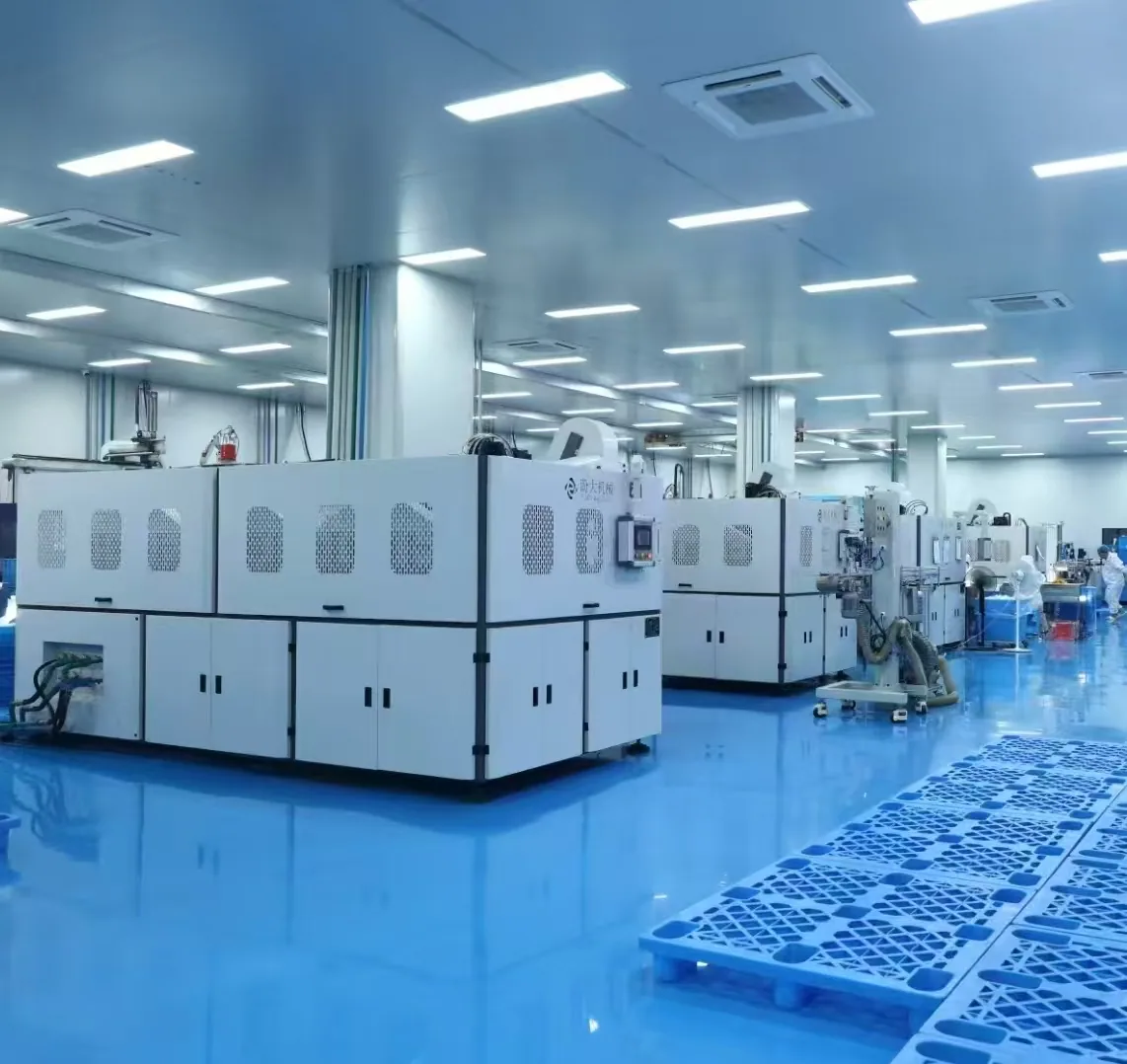
Moulding workshop
Injection moulding equipment in a controlled workshop environment.
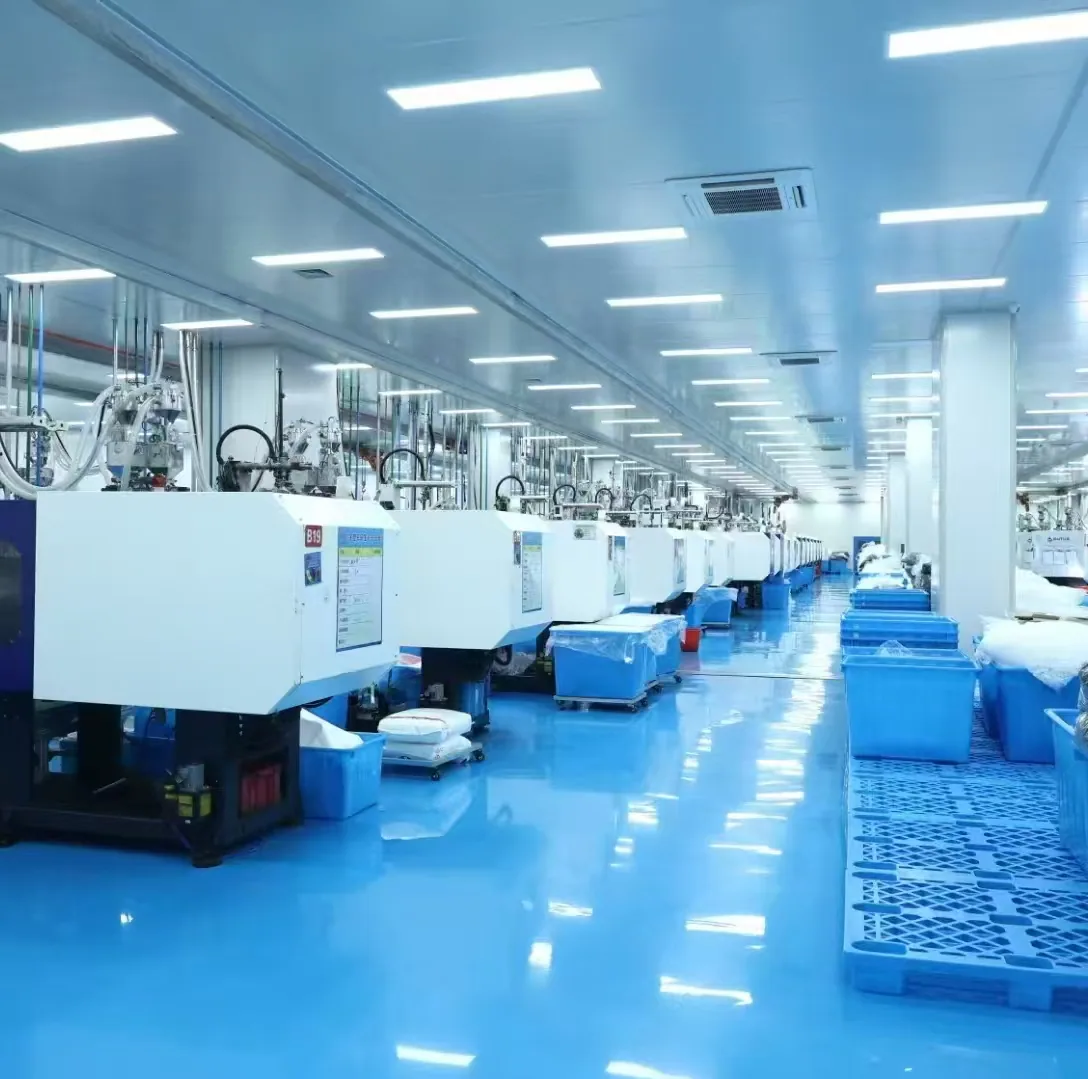
Production floor
A production floor prepared for volume moulding and component output.
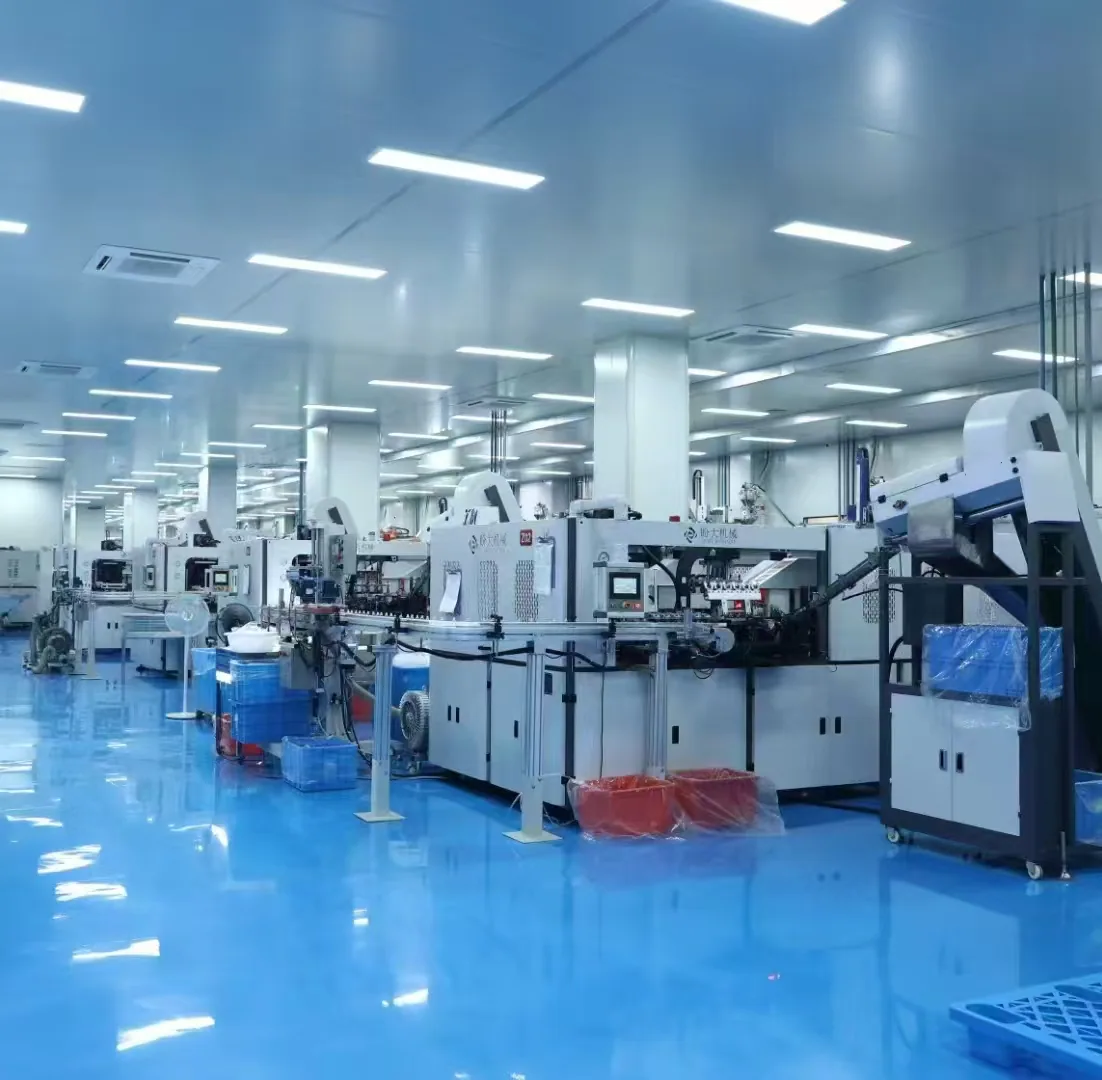
Production and assembly
Automated equipment used for component production and assembly.
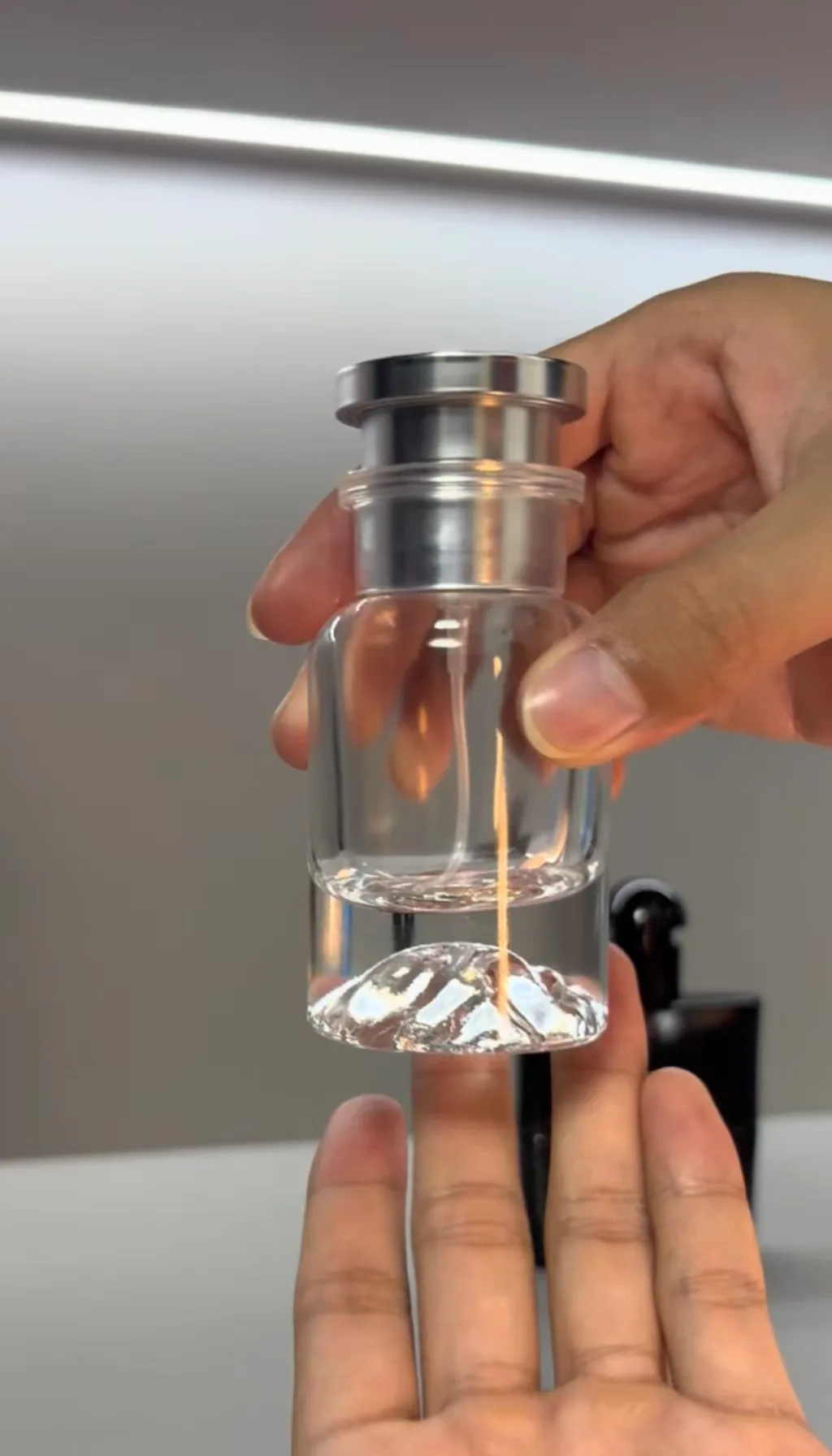
Component fit
Glass bottle, pump and collar reviewed as one assembly before approval.
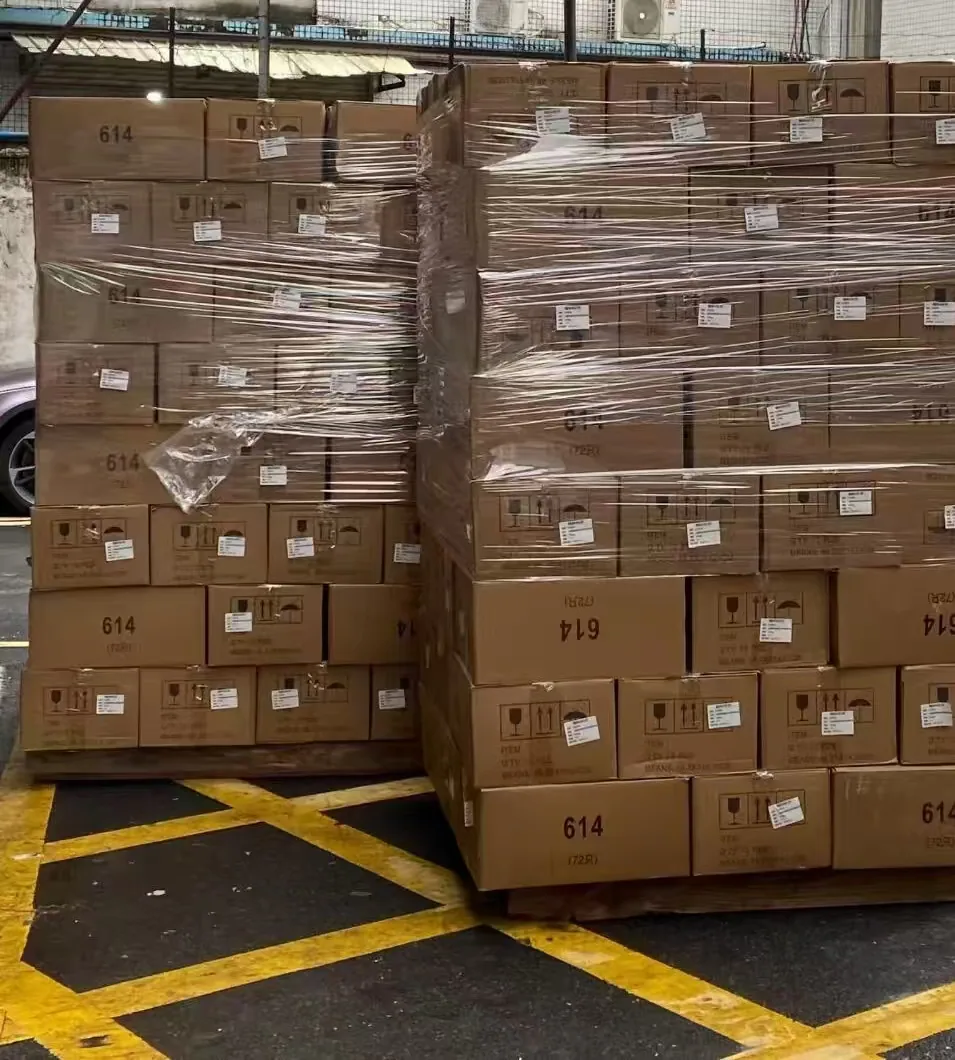
Export packing
Finished cartons stacked and protected on pallets for shipment.
Procurement Pitfalls
Most packaging problems start before production. These are the questions that should be closed during specification and sampling.
A product photo does not show neck finish, wall thickness, component fit or material grade.
Request a specification sheet or physical sample before approving a mould and decoration route.
Screen colour, lighting and material texture change the perceived colour of the finished pack.
Approve moulded colour, spray and print against a physical standard under agreed lighting.
A bottle and a pump can look compatible while differing in neck finish, gasket or dip-tube length.
Review the complete assembly and run a fit and function sample before production.
A material that works for a water-based lotion may fail with a solvent, oil or high-activity formula.
Share the formula base, viscosity and filling conditions so the material and contact parts can be reviewed.
Appearance, dimension and function can be interpreted differently if the acceptance standard is not written.
Tie the inspection plan to the approved sample and document the critical checks and tolerances.
Glass weight, bottle shape and carton configuration can change the landed cost after the quotation.
Confirm inner protection, carton quantity, pallet plan and shipping mode with the packaging quotation.
Related Products And Cases
Compare the next format, review a sourcing case, or continue to the most relevant purchasing guide.
Airless Pump Bottle Manufacturing
Source custom airless pump bottles for serum, skincare and personal care products. Everstore supports mould development, decoration, component matching, sampling and production QC.
Cosmetic Glass Bottle Supply
Source cosmetic glass bottles for serum, toner, perfume and premium skincare. Compare clear, amber, frosted and decorated formats with matched droppers, pumps and closures.
Low-MOQ Cosmetic Packaging
Source low-MOQ cosmetic packaging for new products, test launches and small batch production. Compare stock formats, decoration, samples and flexible order options.
Frequently Asked Questions
PCR means post-consumer recycled material. The amount and suitability depend on the resin, product application, colour, strength and supplier documentation.
No. Recycled content and recyclability are different topics. The full package structure, components, label and local collection system determine whether it can be recycled in practice.
Yes, but the design may need to work with the natural colour and surface characteristics of the material. Sampling is important for colour and finish approval.
Available documentation depends on the material and supplier. We can request relevant material information for the selected structure and review it during the project.
No. Refill systems can add components and operational requirements. They work best when the use case, refill behavior and environmental benefit are clear.
Related Sourcing Guides
Sample Or Quotation
MOQ, sampling cost and production timing depend on the exact product, material, decoration and order quantity. Send the brief and we will confirm the applicable range for your project.